Skip to main content

Latest from BCA Research

Special Report The US fiscal outlook is more unappetizing than it was before the pandemic, but we are not convinced that a difficult day of reckoning awaits. A Treasury market crisis is conceivable, but it is far from inevitable.
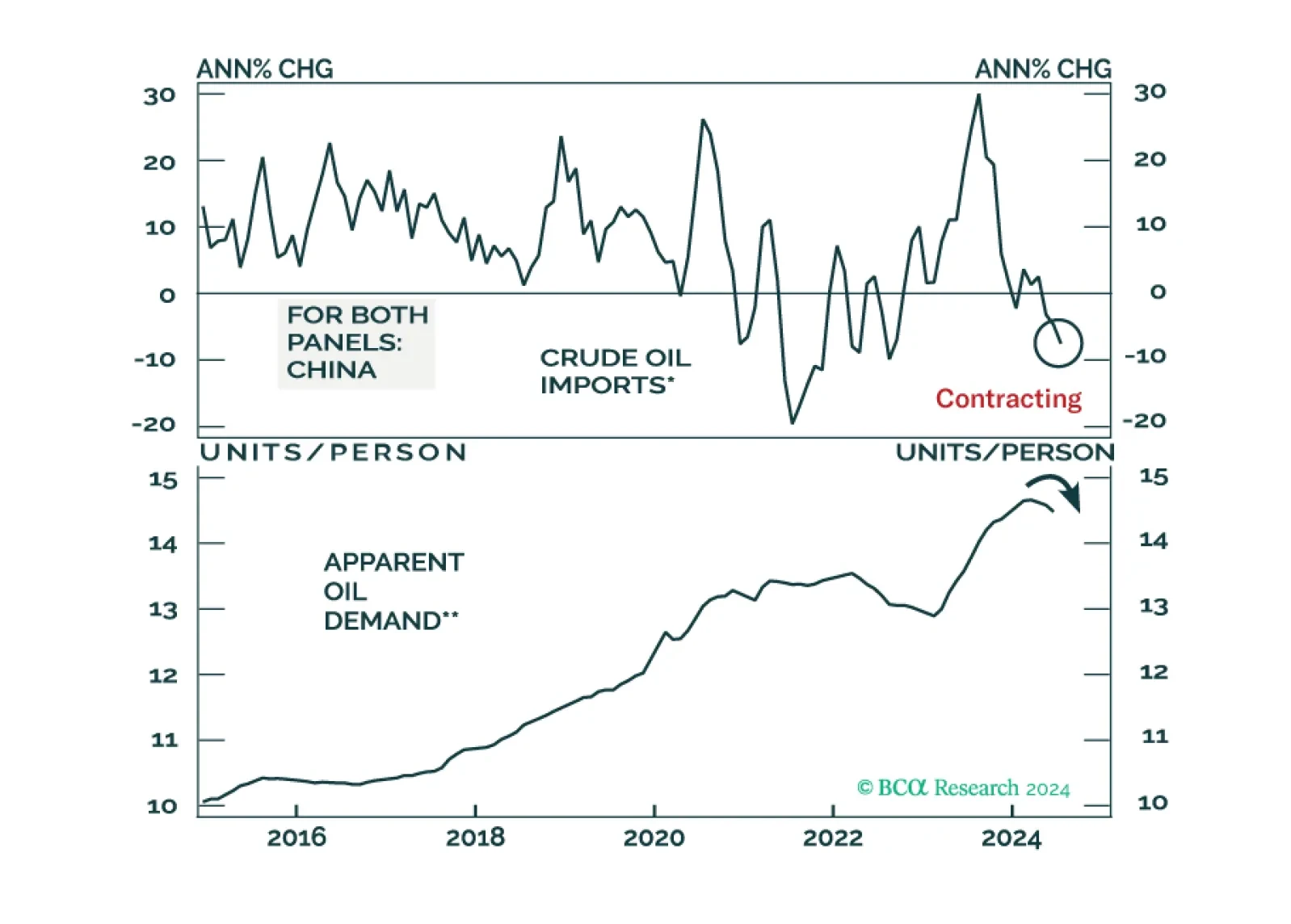
Oil prices are caught in a tug-of-war. Concerns about the demand outlook are acting as a price ceiling while the risk of a geopolitically induced supply shock is providing a floor. Prices are likely to remain rangebound over the near term. Yet the path of least resistance over a 6-to-12-month horizon is to the downside.
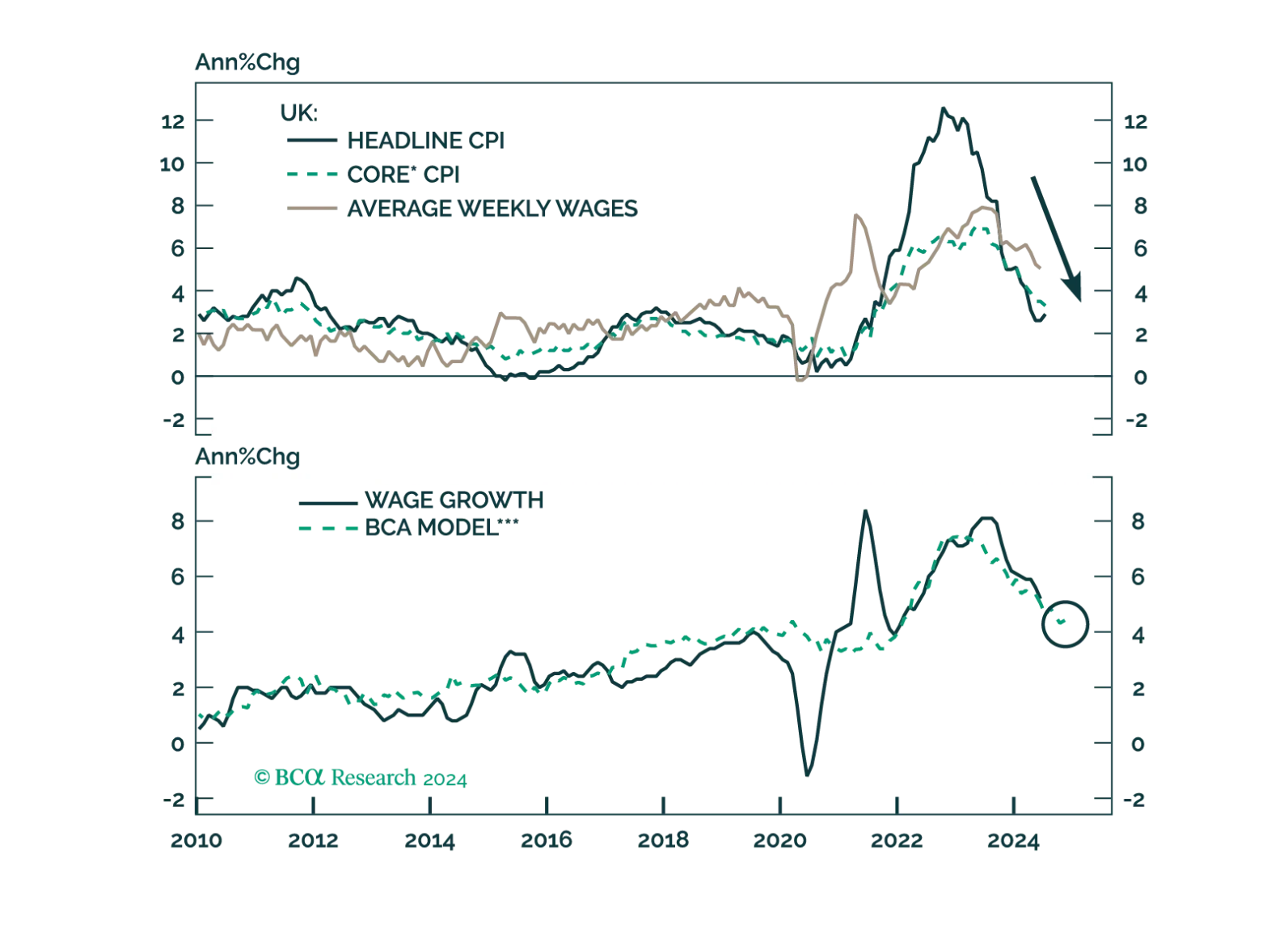
What do the mixed signals sent by the UK economy mean for the Bank of England, and what are the implications for Gilts and the British pound?
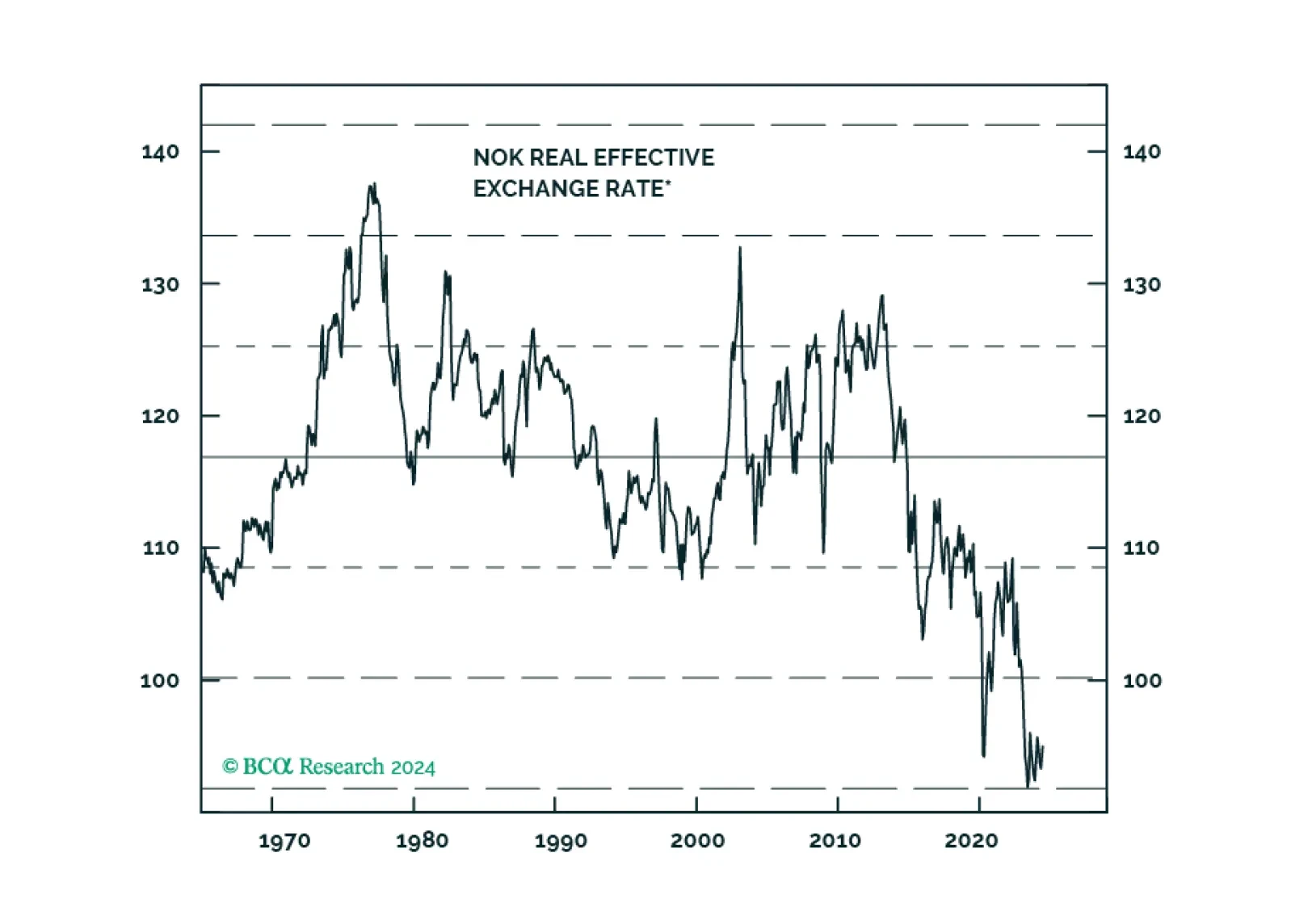
Special Report In this report, we gauge the reasons behind the persistently weak Norwegian krone, despite what appears to be benign domestic economic conditions.
Special Report In this Special Report, Marko Papic, Chief Strategist of BCA Research’s new service – GeoMacro Strategy – presents his controversial view that Trump could very well be a boon for globalization.
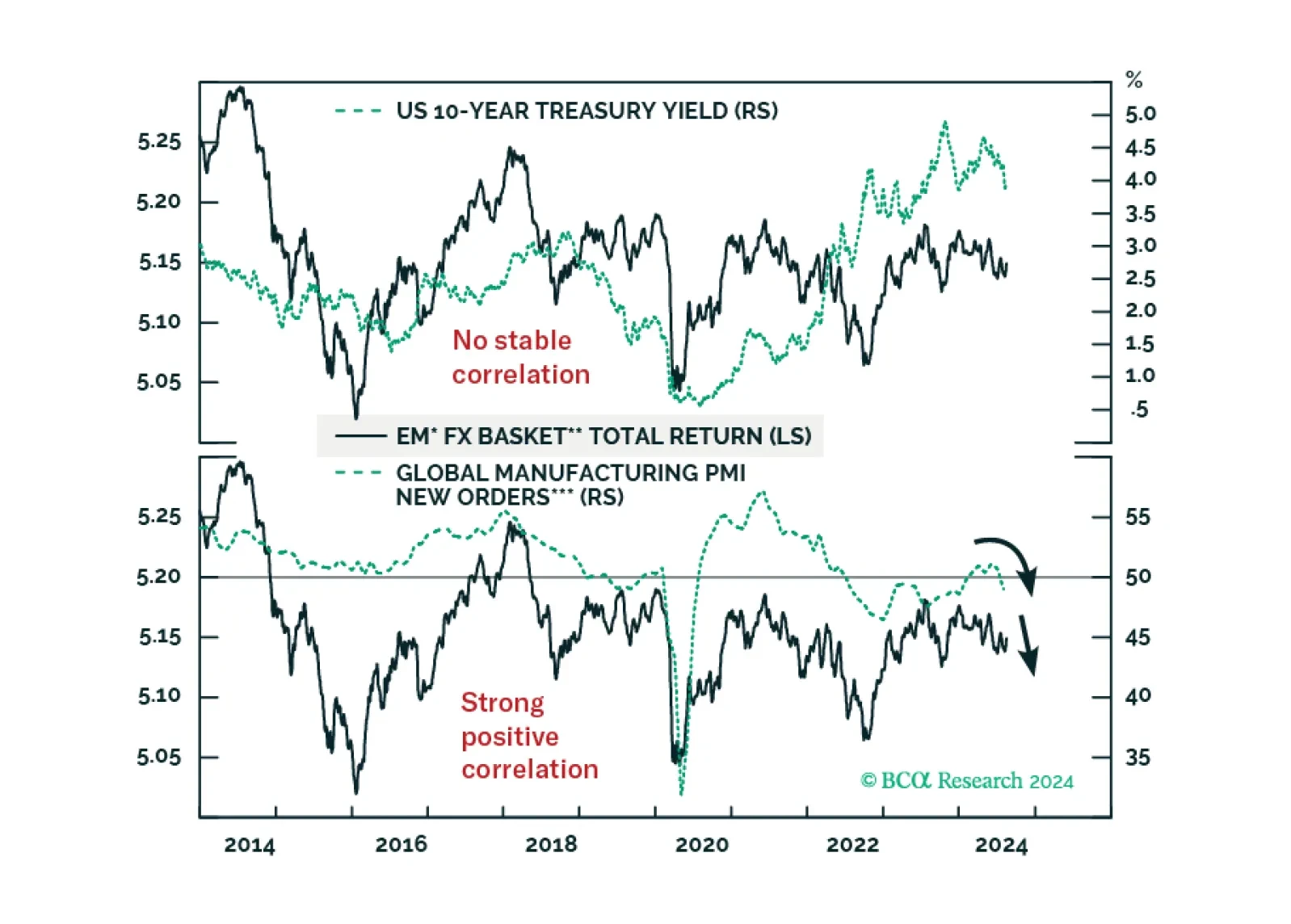
The current Fed easing cycle will likely be a “buy the rumor, sell the news” phenomenon. The basis is our expectation that the US economy is heading into a rough landing. The primary driver of EM currencies is not US interest rates but the global manufacturing cycle.
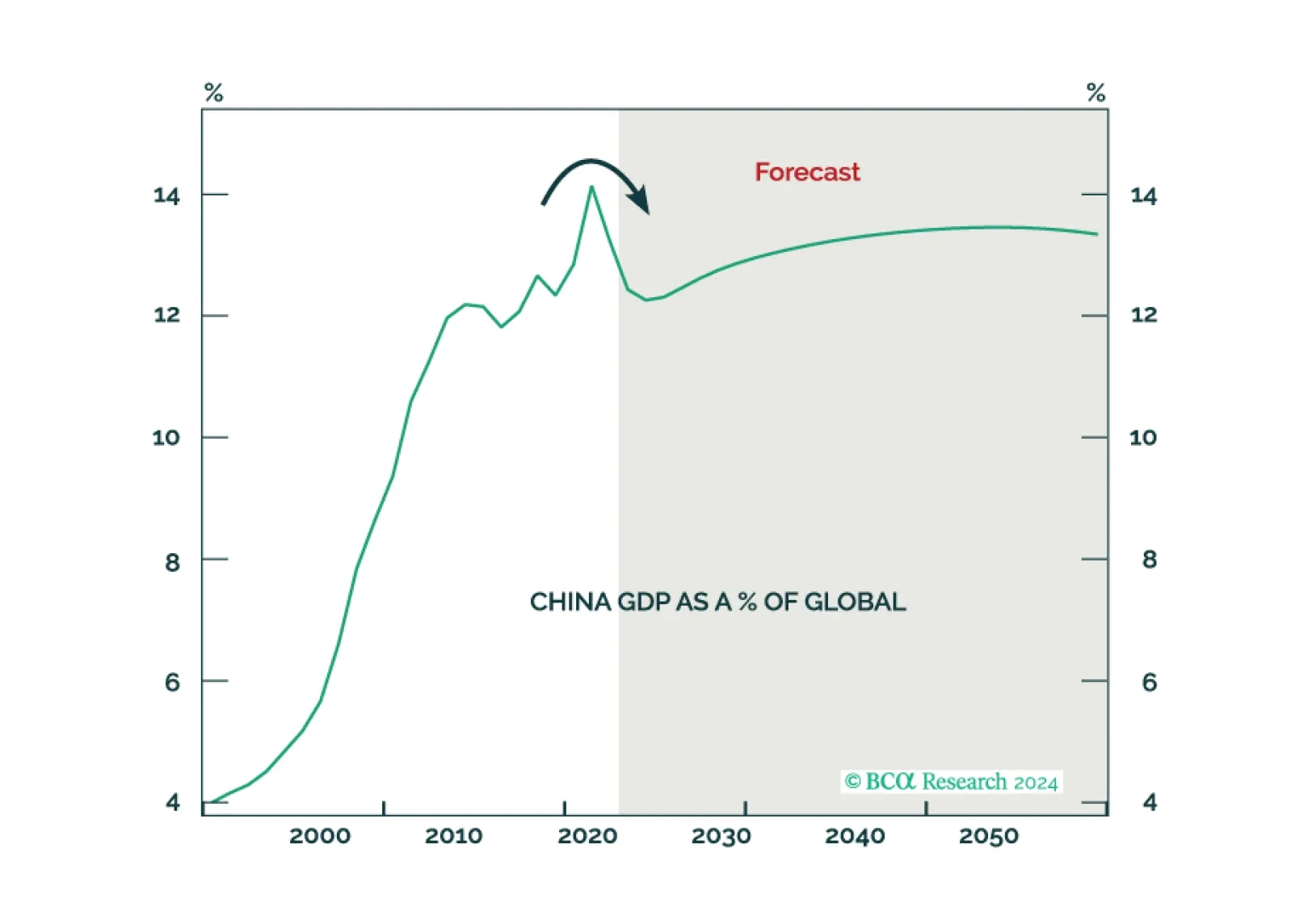
Special Report Multinationals are attempting to expand their supply chains beyond China, but the relocation process has been slower than expected. In the coming years, however, geopolitical tensions, changes in China’s business environment, and rising competition from Chinese producers could accelerate multinationals' departure from China.
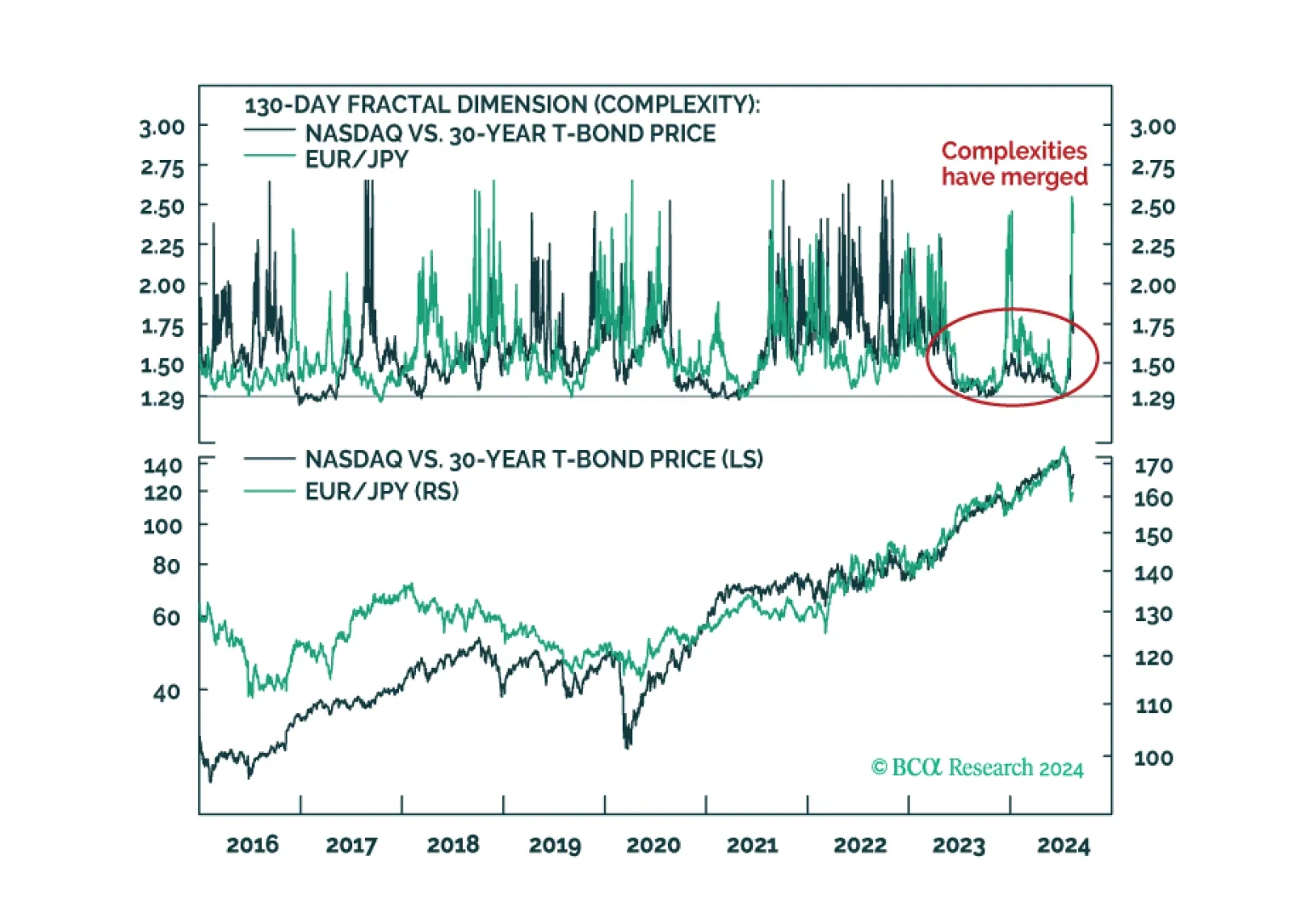
The analysis of price complexity strongly suggests that the ‘yen carry trade’ and the AI bubble are one and the same trade, and that the trade has further to unwind. Plus, go tactically overweight China (CHIQ).
Special Report China missed the chance to change course on economic policy and now it faces rising social instability and western protectionism. This policy approach implies it is not afraid of escalating strategic conflicts in East Asia. Investors should continue to underweight Greater Chinese assets. Any US-China détente will come later rather than sooner.